
AT for Early Childhood

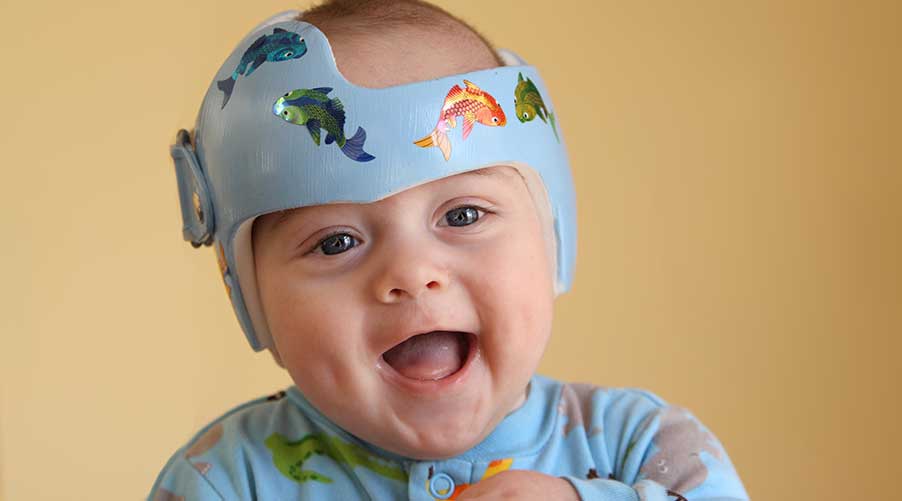
Assistive technology (AT) can provide young children with the tools they need to grow, learn, and meet individual goals. There are age appropriate AT strategies for self-care, communication, pre-writing skills, fine motor skills, and countless other areas.

What are some examples of assistive technologies (AT) used with young children?

Assistive technologies are often used with young children to assist in communication, self-care, motor control, and social skills.

OCR Guidance on Extracurricular Athletic Activities for Students with Disabilities

On January 25, 2013, US Office for Civil Rights issued guidance clarifying school districts' existing legal obligations to provide equal access to extracurricular athletic activities to students with disabilities.

The Dear Colleague letter below provides examples of the types of reasonable modifications that schools may be required to make to existing policies, practices, or procedures:

Federal Trade Commission Amends the Children’s Online Privacy Protection Rule

The Federal Trade Commission adopted final amendments to the Children’s Online Privacy Protection Rule that strengthen kids’ privacy protections and give parents greater control over the personal information that websites and online services may collect from children under 13. 

Special-Education Programs Steel Themselves as Cuts Loom

Aurora Ford, a fifth-grader with Down syndrome, needs regular speech classes and occupational therapy, services that are guaranteed under the Individuals With Disabilities Education Act. But looming federal financing cuts could affect Aurora and her peers, because they might mean bigger classes and fewer teachers next year.